06. – 16. 03. 2025 (opening: 5. 5. 2026, 18:00)
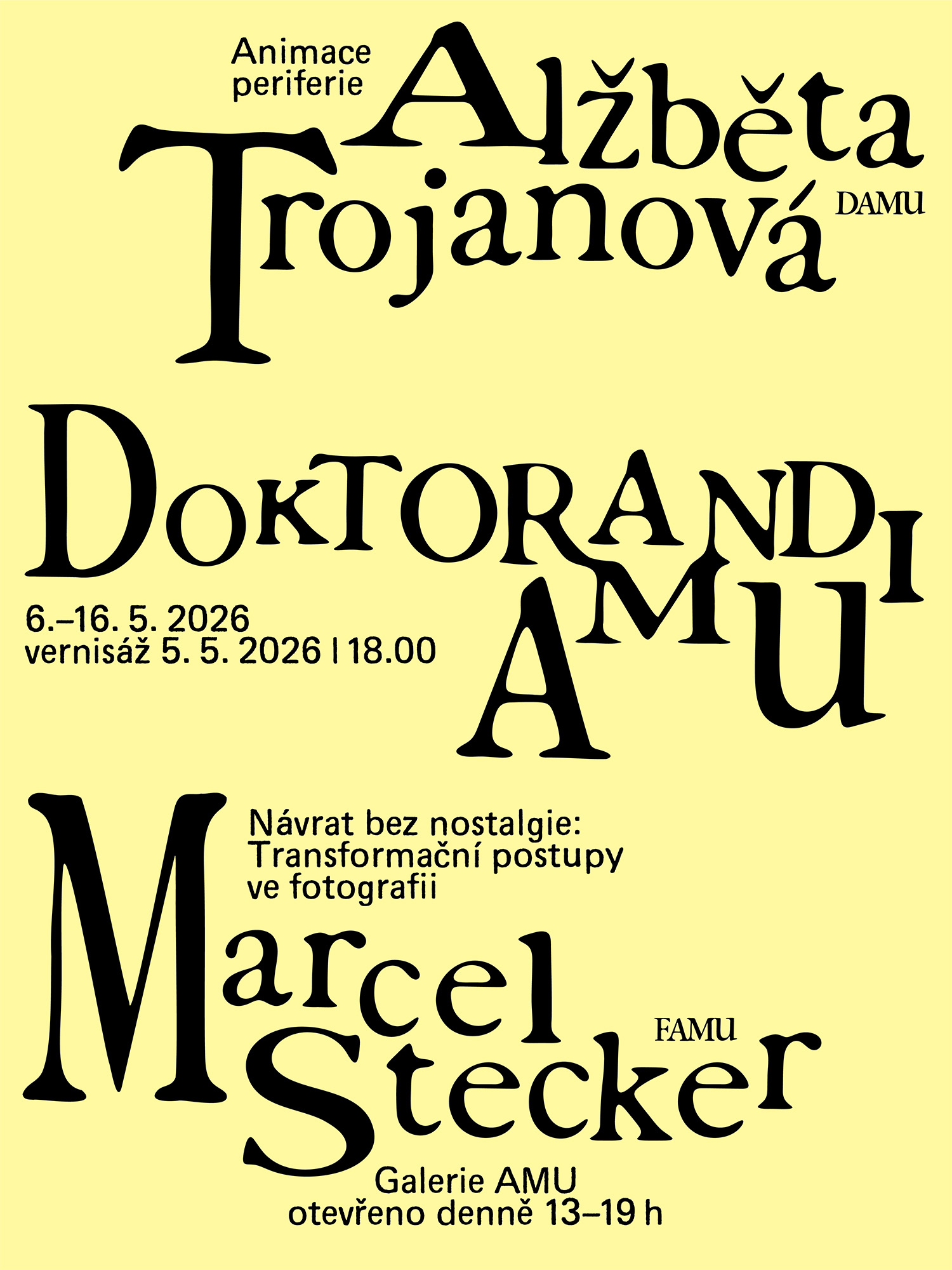
Alžběta Trojanová
Marcel Stecker
Exhibition: 6. – 16. 5. 2026
Open daily 13 – 19 h
Guided tour 12. 5., 17h
✺ Alžběta Trojanová (DAMU): Animace periferie
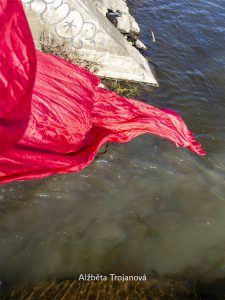
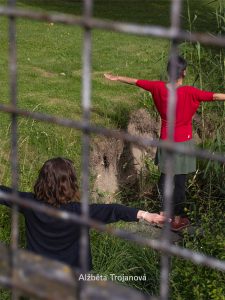
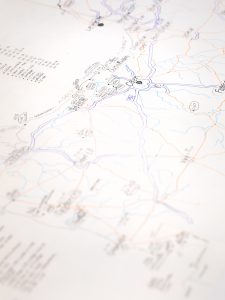
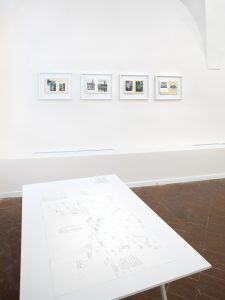
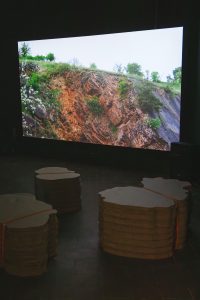
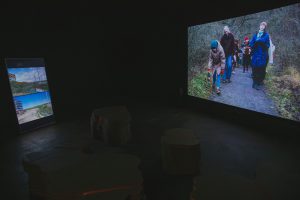
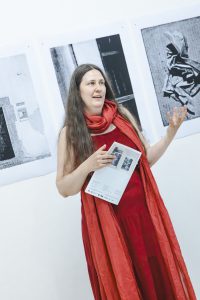
Alžběta Trojanová (1977) graduated from the Faculty of Humanities of Charles University and the Environmental Humanities program at Masaryk University in Brno. During her studies, she focused on art in the landscape and land art, elements of which she later incorporated into environmental education, performances, and workshops in the field. She is currently working on a doctoral project at DAMU in Prague involving artistic research into the environmental aspects of performative walking. In the 1990s she was a member of the alternative movement group Propast, and she participated in a number of actions and happenings in the alternative scene. Later she collaborated with the Continuo Theatre and the independent art center Chaloupka v Prokopském údolí, which organizes art events in the landscape of Prague’s Prokop Valley. She also participated in field projects in the Polish-Lithuanian borderlands with the Polish theater Węgajty. Music and singing form an essential part of her artistic practice, and she also incorporates them into her landscape performances. She plays the folk harp, the Javanese siter, and Indonesian gamelan instruments, and she has collaborated with performers of medieval, Renaissance, folk, and original music. She has set a number of poetic works to music, including Petr Maděra’s rhyming mushroom atlas Houbeles pictus—released as the album Houbeles musicus—as well as verses by the Chinese poet Li Bai for Indonesian gamelan. Her work explores the possibilities of animating the landscape and forgotten or peripheral places through music and song.
✺ Marcel Stecker (FAMU)
Return Without Nostalgia: Transformative Processes in Photography
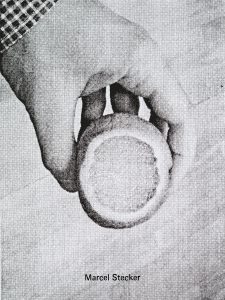
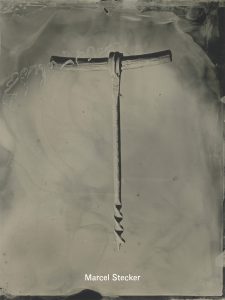
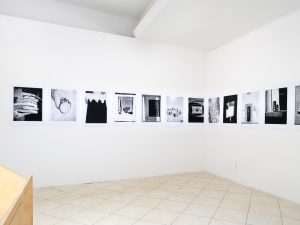
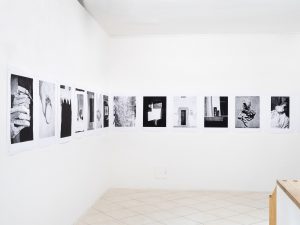
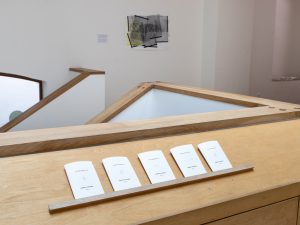
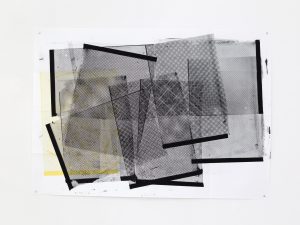
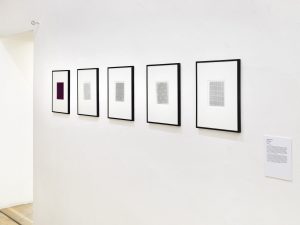
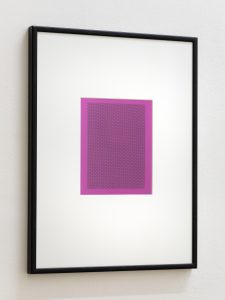
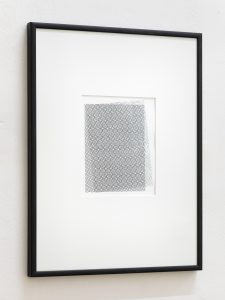
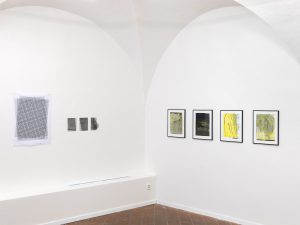
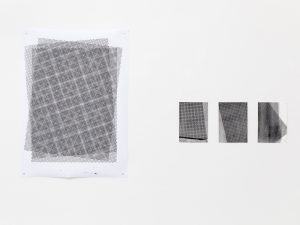
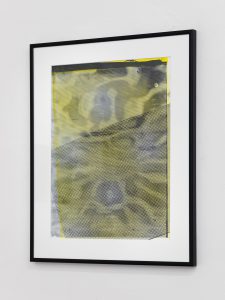
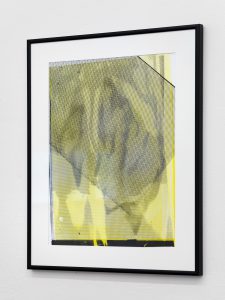
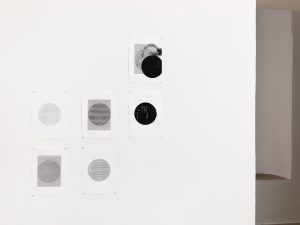
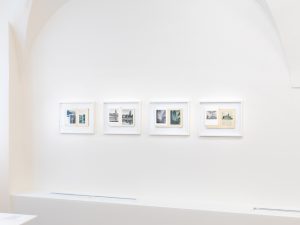
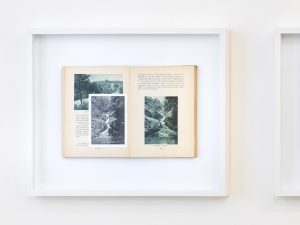
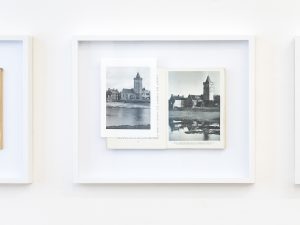
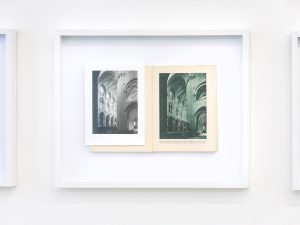
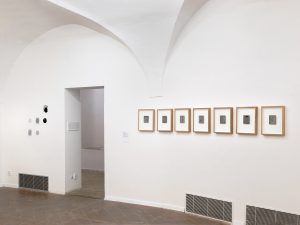
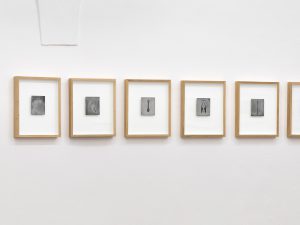
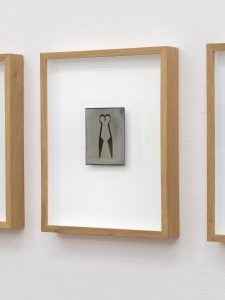
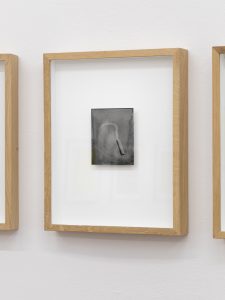
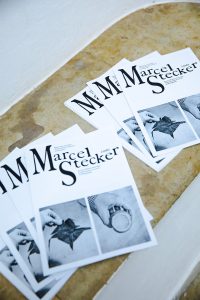
Marcel Stecker’s work explores photography as a field of operations in which the image ceases to function as a transparent representation and becomes a vestige of its own production conditions. In opposition to a contemporary visual culture defined by post-photography and conditions of infinite reproducibility, he works with historical and reductive techniques (xerox, screen printing, intaglio, wet collodion). These methods do not signify a return to the past but serve as an analytical tool for reflecting on the creation, circulation, and transformation of the image. The uniqueness here is derived not from the image itself but from the structure of its material trace. The indexicality is most clearly manifested in series of objects captured on wet collodion plates, whose visuality is determined by the historical conditions of the medium’s emergence. By recycling technical procedures, Stecker challenges the concept of authorship while indirectly shaping his own artistic style. The unspoken uniqueness of these series lies not in the diversity of the techniques but in the use of composition, the connections between the individual images, and the choice of perspective. Stecker conceives of materiality as layers of transparent glass on which technological emissions, dust, and noise are deposited, gradually transforming the very opacity of the image. The result is a kind of extract with which he continues to experiment, distilling it into the final self-contained works. The technical processes he employs function as filters that capture visual noise and transform its physical form. With their serial nature, the screen prints challenge the relationship between copy and original; through the application of technique and the isolation of individual images, the structure of the grid dominantly asserts itself. The illegibility of the photographs in the xeroxed artist’s book takes this a step further, as they appear to be scaled-down copies of themselves. Here recursion reinforces a paradoxical situation in which enlarging the image leads to a loss of detail—the closer the viewer gets, the more the image breaks down. The physical nature of the object is most clearly revealed in a series of book spreads consisting of pairs of identical images. Like a time capsule, views of contemporary landscapes coexist here alongside reproductions of architectural objects located in northern France. Nostalgia subtly creeps into these paraphrases, though it is ultimately disrupted by the distance of the gaze itself. The radicalism and cyclical nature of Stecker’s work play out at the very edge of the medium, which they simultaneously transcend, thus defying reduction to a mere technical experiment with the photographic image. / Curator: Viktor Kopasz
Marcel Stecker (1988) studied photography and new media in the Department of Photography at FAMU. During his studies, he focused primarily on analog photography and created a series titled • • •, which features everyday objects meticulously captured in the artificial light of studio photography. He exhibited this series of black-and-white photographs at the Josef Sudek Studio in Prague in 2011. The following year he completed a year-long exchange at ENSAD in Paris, where he focused on photography and video and created a conceptual video sequence inspired by Edward Hopper’s famous painting Nighthawks and sequences from Alfred Hitchcock’s films. In 2014 he completed an exchange in London, where he developed the long-term project Earth of People, exhibited in 2017 at Fiducia in Ostrava. The visually diverse series Dream of Troy, presented that same year at Galerie 35m2 in Prague, drew on classical still life and experimental work with light. Stecker taught studio photography and experimental techniques at FAMU from 2019 to 2025. Since 2019 he has focused on self-published books resembling zines. He explored his interest in reproduction technology (Xerox) and the significance of older media in the post-digital era in his dissertation project Fotografie, technologie, autenticita (Photography, Technology, Authenticity). Since 2021 he has been engaged in artistic research as part of his doctoral studies at FAMU under the supervision of Prof. Miroslav Petříček. In 2025 he founded the publishing house PERA and released the book HOUSES FOR CATS, which builds on his studies at Marmara University in Istanbul in 2024.
Photo credits: Marcel Stecker, Jana Bauerová, Jakub Pavlík, Irina Degtereva
Online booklet – Alžběta Trojanová
GAMU_Alzbeta_Doktorandi_AMU_158x180mm_v1-nahled
Online booklet – Marcel Stecker